All Cached YouTube Channel Videos

Reset
160,028 videos found Showing 24 on page 2,012 of 6,668
Clear Filters
Bob Marley & Wailers Live Nakano Sun Plaza Hall, Tokio, Japan (Early Show) 1979/04/10 (Full Bootleg)
1:26:01
▶
Mundo Reggado
Bob Marley & Wailers Live Nakano Sun Plaza Hall, Tokio, Japan (Early Show) 1979/04/10 (Full Bootleg)
CD1 1. Positive Vibration - 2. Concrete Jungle - 3. I Shot The Sheriff - 4. No Woman No Cry - 5. Lively Up Yourself - 6. War - No More Trouble - 7. Running Away - Crazy Baldhead - 8. The Heathen - CD2 1. Jammin' - 2. Is This Love - 3. Get Up, Stand Up - 4. Exodus 5. Interview with Mr. Marley Note: *A turnê japonesa começou no Shinjuku Kouseinenkin Hall no dia 5 de abril e durou até 13 de abril. Na chegada, a banda recebeu novos instrumentos da gigante japonesa Yamaha, e Bob apareceu para o bis do primeiro show ostentando orgulhosamente sua nova guitarra rítmica Yamaha. Bob também ganhou uma gravata Yamaha e os membros dos Wailers receberam moletons. A capa interna da edição japonesa da Survival contém fotos de Junior Marvin em sua camisa Yamaha. Rita Marley: " O Japão foi memorável. Tivemos muita imprensa lá dizendo o quão bem eles achavam que o país estaria se saindo bem daqui a dez anos. Como estaria dominando o Japão. Eles adoravam Bob e Bob desempenhou um papel importante em sua absorção reggae como eles fizeram ." (Songs Of Freedom, Adrian Boot e Chris Salewicz, Bloomsbury) Cumpridas as tarefas promocionais, a banda fez algumas apresentações incríveis no Japão. As multidões provaram como a música ultrapassou a barreira cultural cantando num inglês perfeito. O primeiro show começou com uma versão longa de Positive Vibration , e foi seguido por uma versão lenta e taciturna de Concrete Jungle . O setlist não fez concessões ao novo território; versões pesadas de Them Belly Full , The Heathen e Running Away/Crazy Baldhead foram recebidas com tanto entusiasmo quanto No Woman No Cry e Jamming . O primeiro bis do show começou com uma versão sólida do medley War/No More Trouble , que Bob levou direto para Get Up Stand Up com um primeiro verso instrumental estendido e, em seguida, uma versão impressionante de Exodus . Uma nova apresentação no mesmo local no dia seguinte foi seguida por duas apresentações em 7 de abril no Shibuya Public Hall, em Tóquio, após as quais a banda teve um período de descanso de dois dias. No dia 10 de abril, Bob and the Wailers fizeram dois shows no Nakano Sun Plaza Hall que apresentaram algumas das interpretações de músicas mais interessantes de toda a turnê. Bob fez várias improvisações e scats, incluindo uma sequência surpresa de Stir It Up into War em um show que momentaneamente pega os Wailers desprevenidos. Outra improvisação interessante que a banda desenvolveu ao longo desses shows foi a breve reprise no final de I Shot The Sherrif que foi executada com melhor efeito no Sun Plaza. Para finalizar, a turnê mudou de Tóquio para Osaka. O penúltimo show foi no Kouseinenkin Hall, no dia 11 de abril, e terminou no dia 13, no Festival Hall. Source: http://www.wailers.co.uk/update0204.html
Published Apr 8, 2024
World's Most Dangerous Railway Tracks | The Tazara, Tanzania-Zambia Railway | Free Documentary
52:18
▶
Free Documentary
World's Most Dangerous Railway Tracks | The Tazara, Tanzania-Zambia Railway | Free Documentary
World's Most Dangerous Railway Lines - The Tazara,Tanzania-Zambia Railway World's Most Dangerous Roads - All Episodes: https://www.youtube.com/playlist?list=PLLgqOez346ZOo1DO-c6XIOHj604hM8ixA In 1970, deep in the heart of Africa, construction began on one of the most daring infrastructure projects in Africa, the Tanzania-Zambia Railway, or Tazara for short. Red clouds of dust still hang over the pits of the copper mines in Zambia's Copperbelt, for whose removal China financed the Tanzania-Zambia Railway. The train route with which the inland got its own transport route to the coast of East Africa was the liberation from the dependence on the neighboring apartheid-ruled countries of East Africa. Back then, the World Bank and other international investors shied away from the risk and refused a loan. They found the route too difficult, and a railway is not economically viable. But within six years, the daring project, worth the equivalent of $ 500 million, was completed by Chinese and African workers. The silver shimmering tracks stretch for 1860 kilometers from the port city of Dar es Salaam in Tanzania through a wild and barely developed area to Kapiri Mposhi in northern Zambia. More than 40 years ago, the railway builders from Tanzania, Zambia and China cut a path through dense forest with machete in hand. They defied the mountains with 22 tunnels and built 320 bridges to cross deep valleys and rivers in this secluded area. The men were completely on their own in the solitude of the wilderness. Not only the railway construction work was dangerous. The daily threat from wild animals also turned into a daily battle of life and death. According to official figures, 160 workers lost their lives in the construction work. Even today, the route leads through nature parks with wild animals from Africa, which, with luck, can also be seen from the train. ▬▬▬▬▬▬▬▬▬ Subscribe Free Documentary Channel for free: https://bit.ly/2YJ4XzQ Instagram: https://instagram.com/free.documentary/ Facebook: https://bit.ly/2QfRxbG Twitter: https://bit.ly/2QlwRiI ▬▬▬▬▬▬▬▬▬ #FreeDocumentary #Documentary #WorldsMostDangerousRailwayLines ▬▬▬▬▬▬▬▬▬ Free Documentary is dedicated to bringing high-class documentaries to you on YouTube for free. With the latest camera equipment used by well-known filmmakers working for famous production studios. You will see fascinating shots from the deep seas and up in the air, capturing great stories and pictures from everything our beautiful and interesting planet has to offer. Enjoy stories about nature, wildlife, culture, people, history and more to come.
Published Dec 30, 2022
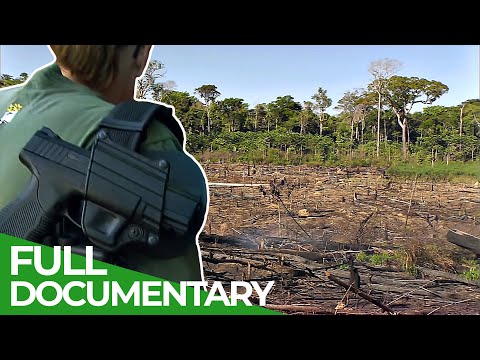
Saving Amazonia - Part 1: Raids in the Rainforest | Free Documentary Nature
52:36
▶
Free Documentary - Nature
Saving Amazonia - Part 1: Raids in the Rainforest | Free Documentary Nature
Saving Amazonia - Part 1: Raids in the Rainforest | Nature Documentary Watch 'Saving Amazonia - Part 2' here: https://youtu.be/ZS27niLcT2Y At the age of 27, Ana Rafaela D’Amico is the youngest national park director in Brazil. In order to save the rainforest, she has declared war on the drugs gangs, logging mafia and illegal fishing. The Campos Amazonicos National Park is like a microcosm of all the problems found in Amazonia: illegal logging, cattle breeding, tin mines – and a drugs route that goes right through the middle of the park. Ana Rafaela has been fighting ardently to preserve the natural surroundings ever since she took over the management of the park a few years ago. She has already achieved a great deal, yet the obstacles the young woman from the city faces remain formidable. For Ana Rafaela nature conservation means a life without compromises, a life which sometimes requires a “cold heart”. She has to confront an invisible enemy: it is a struggle of dangers and bitterly fought successes. The small players she can catch; and has to take away their livelihood, but there is often little she can do against the big players. And yet, Ana Rafaela’s efforts do bear fruit. Since she has been managing the park, illegal fishing has declined and no new mines have been opened. She believes in her success, and that it is possible to save Amazonia if everyone does their bit. She will not give up – this is the only way she knows. ▬▬▬▬▬▬▬▬▬ Subscribe Free Documentary - Nature Channel for free: http://bit.ly/2mFDC3Q Facebook: https://bit.ly/2QfRxbG Twitter: https://bit.ly/2QlwRiI ▬▬▬▬▬▬▬▬▬ #FreeDocumentaryNature #Documentary #Amazonia ▬▬▬▬▬▬▬▬▬ Free Documentary is dedicated to bring high-class documentaries to you on youtube for free. With the latest camera equipment used by well-known filmmakers working for famous production studios. You will see fascinating shots from the deep seas and up in the air, capturing great stories and pictures from everything our beautiful and interesting planet has to offer. Enjoy stories about nature, wildlife, culture, people, history and more to come.
Published Apr 30, 2021