Free Documentary

Free Documentary is dedicated to bringing high-class documentaries to you on YouTube for free with the latest camera equipment used by well-known filmmakers working for famous production studios. You will see fascinating shots from the deep seas and up in the air, capturing great stories and pictures of everything our extraordinary planet offers. Quintus Studios GmbH Gerrit Kemming Akazienstraße 28 10823 Berlin hello@quintus-media.com +49 30 98 556 174

991 videos found Showing 24 on page 38 of 42
Clear Filters
Behind Bars 2: The World’s Toughest Prisons - La Mesa, Mexico | Free Documentary
45:03
Free Documentary
Behind Bars 2: The World’s Toughest Prisons - La Mesa, Mexico | Free Documentary
Behind Bars Season 2 Episode 7: La Mesa – A Mexican prison just over the US border. | Prison Documentary Behind Bars - Episode - Urso Branco, Brazil: https://youtu.be/6jCYP0acub8 The inmates? Drug traffickers, rapists, cartel killers. They have tough times ahead. They hardly get to leave their cells. They sleep, eat, pee, all in a very confined space. Two square meters each – for up to eight inmates. La Mesa is ruled with an iron fist – and for good reason. Its story is infamous. Cartel bosses used to rule this place which was full of drugs, prostitution and violence. Another bleak chapter followed – times of riots and fatalities. Nowadays, La Mesa is carefully controlled. Inmates are separated and locked away. Like cartel killer Francisco Javier Villa Padilla, sentenced for murdering police officers. After killing his victims, he hung their bodies from a bridge. He has been in La Mesa for seven years. Every day, he trains in his tiny cell. He knows that when he gets out, killers will be after him. The American Taylor Elliott Howard was sentenced for car theft and possession of a weapon. He shares a cell with six fellow countrymen. Americans in a Mexican prison? Treated like scum. Every day, Taylor hopes to somehow survive the next nine years. And rustle up some money. In La Mesa, inmates have to pay for everything – even toilet paper. In charge of the place? Director Cesar Daniel Acevedo. La Mesa is the sixth Mexican prison he has tried to sort out. Every day he does everything to ensure that the inmates don’t gain control of La Mesa again. ▬▬▬▬▬▬▬▬▬ Subscribe Free Documentary Channel for free: https://bit.ly/2YJ4XzQ Join the club and become a Free Documentary Patron: https://www.patreon.com/freedocumentary Facebook: https://bit.ly/2QfRxbG Twitter: https://bit.ly/2QlwRiI ▬▬▬▬▬▬▬▬▬ #FreeDocumentary #Documentary #BehindBars ▬▬▬▬▬▬▬▬▬ Free Documentary is dedicated to bringing high-class documentaries to you on YouTube for free. With the latest camera equipment used by well-known filmmakers working for famous production studios. You will see fascinating shots from the deep seas and up in the air, capturing great stories and pictures from everything our beautiful and interesting planet has to offer. Enjoy stories about nature, wildlife, culture, people, history and more to come.
Published Dec 7, 2018
Behind Bars 2: The World’s Toughest Prisons - Bogota, Colombia Part 2 | Free Documentary
46:47
Free Documentary
Behind Bars 2: The World’s Toughest Prisons - Bogota, Colombia Part 2 | Free Documentary
Behind Bars Season 2 Episode 4: Bogota, Colombia Part 2 | Prison Documentary Behind Bars - La Mesa, Mexico: https://youtu.be/jqi4ZpR2OWI The Carcel Distrital is located in one of the most dangerous quarters of Bogotá. Nearly 950 men and 50 women are imprisoned here. Most are still awaiting their final judgment. Their long wait may last for years: Justice in Colombia works slowly. Very slowly. This leads to great frustration. Many frustrated people in one place will always lead to great problems. Disputes, fights and riots are everyday occurrences. The 170 staff members have their hands full with unannounced raids, inspections of the inmates and fights for power with the prisoners. The prisoners fight back. They play by their own rules – illegal ones. Even in prison they continue to take drugs, carry weapons and continue their illegal transactions. One is always involved: the boss of the gang! He has people around him to do his jobs, such as acquiring drugs and weapons. If caught, they will be in trouble; the sanctions are solitary confinement, extension of the sentence or visiting bans. Support and help from family is important for the inmates. On visiting days, they have two hours to pretend everything is ok, hold their children and their loved ones. After precisely two hours, they have to say farewell, not knowing when they will meet gain. The bleak life in prison continues with its daily fights. All inmates share one thing: They want out as quickly as they can, and never return behind bars! But they must fight for that: against the slow course of justice and against their criminal selves. ▬▬▬▬▬▬▬▬▬ Subscribe Free Documentary Channel for free: https://bit.ly/2YJ4XzQ Join the club and become a Free Documentary Patron: https://www.patreon.com/freedocumentary Facebook: https://bit.ly/2QfRxbG Twitter: https://bit.ly/2QlwRiI ▬▬▬▬▬▬▬▬▬ #FreeDocumentary #Documentary #BehindBars ▬▬▬▬▬▬▬▬▬ Free Documentary is dedicated to bringing high-class documentaries to you on YouTube for free. With the latest camera equipment used by well-known filmmakers working for famous production studios. You will see fascinating shots from the deep seas and up in the air, capturing great stories and pictures from everything our beautiful and interesting planet has to offer. Enjoy stories about nature, wildlife, culture, people, history and more to come.
Published Dec 7, 2018
Behind Bars 2: The World’s Toughest Prisons - Armavir Prison, Armenia | Free Documentary
48:00
Free Documentary
Behind Bars 2: The World’s Toughest Prisons - Armavir Prison, Armenia | Free Documentary
Behind Bars Season 2 Episode 6: Armavir Prison, Armenia | Prison Documentary Behind Bars - Bogota, Colombia: https://youtu.be/yghtDNrYAJk Behind the walls of Armenia’s Armavir Prison, a war for control is being fought between the state and the "Thieves in Law"—a shadow brotherhood with an absolute code. Through the eyes of Georg, a man running for his life from an invisible enemy, and Arsen, a former terrorist turned psychologist serving a life sentence, this documentary explores the thin line between order, criminal law, and the endurance of the human spirit. ▬▬▬▬▬▬▬▬▬ Subscribe to Free Documentary Channel for free: https://bit.ly/2YJ4XzQ Join the club and become a Free Documentary Patron: https://www.patreon.com/freedocumentary Facebook: https://bit.ly/2QfRxbG Twitter: https://bit.ly/2QlwRiI ▬▬▬▬▬▬▬▬▬ #FreeDocumentary #Documentary #BehindBars #armenia ▬▬▬▬▬▬▬▬▬ Free Documentary is passionate about sharing the beauty and diversity of our world through high-quality documentaries available for free on YouTube. Filmmakers from around the world, equipped with the latest camera technology, bring you visuals and narratives that explore the wonders of our planet. From the depths of the oceans to the heights of the skies, each film invites you to experience stories and imagery that celebrate the richness of life around us. Join us on this journey of discovery and connection, as we uncover the remarkable tales that make our Earth truly special.
Published Dec 7, 2018
Behind Bars 2: The World’s Toughest Prisons - Bogota, Colombia Part 1 | Free Documentary
48:04
Free Documentary
Behind Bars 2: The World’s Toughest Prisons - Bogota, Colombia Part 1 | Free Documentary
Behind Bars Season 2 - Episode 3: Bogota, Colombia Part 1 | Prison Documentary Behind Bars - Bogota, Colombia Part 2: https://youtu.be/yghtDNrYAJk It's just a small prison, but a hard one. The Carcel Distrital in Bogotá, Colombia. Every day, the prison staff of 170 ensures stern discipline and order within the red brick walls. Their batons are loose and the inmates have to line up to be counted several times per day. Unannounced raids bring out a number of forbidden objects. This strict approach is necessary. The nearly 1000 inmates aren't used to rules. Outside, they did whatever they wanted. In here, they try the same. Gangs, drugs, weapons - this prison has it all. In particular, it has a great many problems. Every day, fights for power usually end in severe injuries. The inmates not only turn their weapons against others, but also against themselves. Many imprisoned here cannot stand their lives. Injuring themselves is a way to handle their hopelessness. Others can only suffer life in prison by taking drugs. Getting them is easy. The location of the Carcel Distrital facilitates smuggling. One good throw over the prison walls and the drug package is inside the yard. The gangster bosses do their business and make their money in prison – also by blackmailing other inmates. If it comes out, they will be put in isolation for a few days. That's the worst punishment for the prisoners. The prison within the prison makes their despair even worse. All of them share one goal: turning their backs on the harsh life in prison and never coming back. A goal that few will achieve. ▬▬▬▬▬▬▬▬▬ Subscribe Free Documentary Channel for free: https://bit.ly/2YJ4XzQ Join the club and become a Free Documentary Patron: https://www.patreon.com/freedocumentary Facebook: https://bit.ly/2QfRxbG Twitter: https://bit.ly/2QlwRiI ▬▬▬▬▬▬▬▬▬ #FreeDocumentary #Documentary #BehindBars ▬▬▬▬▬▬▬▬▬ Free Documentary is dedicated to bringing high-class documentaries to you on YouTube for free. With the latest camera equipment used by well-known filmmakers working for famous production studios. You will see fascinating shots from the deep seas and up in the air, capturing great stories and pictures from everything our beautiful and interesting planet has to offer. Enjoy stories about nature, wildlife, culture, people, history and more to come.
Published Dec 7, 2018
Behind Bars 2: The World’s Toughest Prisons - Colony 100, Kharkiv, Ukraine | Free Documentary
48:01
Free Documentary
Behind Bars 2: The World’s Toughest Prisons - Colony 100, Kharkiv, Ukraine | Free Documentary
Behind Bars Season 2 Episode 1: Colony 100 – Ukraine’s prison for hardened criminals | Prison Documentary Serial killers, child abusers, repeat offenders. All those behind the walls of this Soviet-built prison have already done time in at least three other Ukrainian jails – and learned nothing from that experience. Or they have committed crimes so heinous that they will never again leave their 100-square-foot-cell in the maximum security wing. The prison is marked by an omnipresent hopelessness that seems to go hand in hand with its architectural dreariness. Alexander knows the procedure by heart. Speak only when spoken to. Hands crossed behind your back. Stop at every white line. And for God’s sake, always look down. Today he’s getting locked up for the fourth time. This time he committed armed assault. He’s been to jail before for drugs, theft, and stabbing. But this time he hasn’t been sent to some town jail. No, he’s in Colony 100. THE prison for repeat offenders. And Alexander knows that if he hopes to be released again, he must adapt from day one. And not call attention to himself. Either from the guards, or from the other 300 inmates... Rusha doesn’t ponder such things. He murdered 29 people, and he’ll probably never see the world outside the maximum-security wing again. Instead, each day he tries to find something to occupy himself in his isolated and dismal world. Waiting for an upcoming meeting with a psychologist distract him from reality. Other than his cellmate and the guards, no one has spoken to him in years. ▬▬▬▬▬▬▬▬▬ Subscribe Free Documentary Channel for free: https://bit.ly/2YJ4XzQ Join the club and become a Free Documentary Patron: https://www.patreon.com/freedocumentary Facebook: https://bit.ly/2QfRxbG Twitter: https://bit.ly/2QlwRiI ▬▬▬▬▬▬▬▬▬ #FreeDocumentary #Documentary #BehindBars ▬▬▬▬▬▬▬▬▬ Free Documentary is dedicated to bringing high-class documentaries to you on YouTube for free. With the latest camera equipment used by well-known filmmakers working for famous production studios. You will see fascinating shots from the deep seas and up in the air, capturing great stories and pictures from everything our beautiful and interesting planet has to offer. Enjoy stories about nature, wildlife, culture, people, history and more to come.
Published Dec 7, 2018
Behind Bars 2: The World’s Toughest Prisons - El Hongo, Tecate, Mexico | Free Documentary
45:37
Free Documentary
Behind Bars 2: The World’s Toughest Prisons - El Hongo, Tecate, Mexico | Free Documentary
Behind Bars Season 2 Episode 5: El Hongo, Tecate, Mexico | Prison Documentary Behind Bars - La Mesa, Mexico: https://youtu.be/jqi4ZpR2OWI El Hongo – a high-security bunker in Mexico´s desert. Sensors, cameras, mobile phone jammers – this prison is a veritable high-tech fortress. Snipers on fifteen guard towers make sure that nothing can get in or out. El Hongo is deemed perfectly incorruptible – in a country in which corruption runs through all levels of society like cancer. It is subject to immense violence and aggression among the inmates. Organized crime, cartel bosses, corrupt government members – the prisoners here would be able to endanger the safety of the entire country. Anyone who makes trouble will be sent to the punishment block. With sentences up to seventy years, many of the inmates have nothing to lose. Inmate Gabriel has been behind bars for 15 years on charges of kidnapping. He comes from LA and is a member of a Hispanic gang "Blythe Street". For 10 years, he has been kept in special custody away from other prisoners. He is far from being as isolated as he makes his jailers believe… Cell neighbor Gilbert hasn’t been outside of prison walls for more than 16 years. He snuffed out innumerable human lives for a Mexican cartel. In prison, he has to learn to come to terms with loneliness and dull monotony of his daily life without any help from the outside. Carlos – the custodian of evil. For 10 years, the commander has been watching over El Hongo. One minute of straying attention may cost Carlos his life. The inmates can virtually smell the tension of their guards. ▬▬▬▬▬▬▬▬▬ Subscribe Free Documentary Channel for free: https://bit.ly/2YJ4XzQ Join the club and become a Free Documentary Patron: https://www.patreon.com/freedocumentary Facebook: https://bit.ly/2QfRxbG Twitter: https://bit.ly/2QlwRiI ▬▬▬▬▬▬▬▬▬ #FreeDocumentary #Documentary #BehindBars ▬▬▬▬▬▬▬▬▬ Free Documentary is dedicated to bringing high-class documentaries to you on YouTube for free. With the latest camera equipment used by well-known filmmakers working for famous production studios. You will see fascinating shots from the deep seas and up in the air, capturing great stories and pictures from everything our beautiful and interesting planet has to offer. Enjoy stories about nature, wildlife, culture, people, history and more to come.
Published Dec 7, 2018
Behind Bars: The World’s Toughest Prisons - Miami, Dade County Jail, Florida, USA | Free Documentary
47:42
Free Documentary
Behind Bars: The World’s Toughest Prisons - Miami, Dade County Jail, Florida, USA | Free Documentary
Behind Bars - Episode 6: Miami, Dade County Jail, Florida, USA | Prison Documentary Watch the uncensored edition of this episode here (viewer discretion advised): https://rumble.com/v3mwmva-worlds-toughest-prisons-miami-dade-county-jail-florida-usa-free-uncensored-.html Behind Bars - Episode - Urso Branco, Brazil: https://youtu.be/6jCYP0acub8 The two toughest divisions of the Miami Dade prison complex couldn't be more different. The Miami Dade Boot Camp gives minor offenders a chance to escape the prison through rigorous and unforgiving drills and rules. To many it is a better alternative to rusty iron bars of The Miami-Dade County Jail where murderers, rapists and robbers have their own rules of survival. The series accompanies guards on their daily routines: those who struggle to maintain law and order and those who abuse their powers mercilessly. But above all, each episode allows the viewer to see the world from the prisoner’s point of view: the newcomer spending his first terrifying night locked up. Felons who live for the day when their fate will be decided: will it be life behind bars? A worse fate? Foreigners, far away from home, languishing away under the most horrendous conditions. And mothers who have to raise their children in the shadow of prison bars. ▬▬▬▬▬▬▬▬▬ Subscribe Free Documentary Channel for free: https://bit.ly/2YJ4XzQ Join the club and become a Free Documentary Patron: https://www.patreon.com/freedocumentary Facebook: https://bit.ly/2QfRxbG Twitter: https://bit.ly/2QlwRiI ▬▬▬▬▬▬▬▬▬ #FreeDocumentary #Documentary #BehindBars ▬▬▬▬▬▬▬▬▬ Free Documentary is dedicated to bringing high-class documentaries to you on YouTube for free. With the latest camera equipment used by well-known filmmakers working for famous production studios. You will see fascinating shots from the deep seas and up in the air, capturing great stories and pictures from everything our beautiful and interesting planet has to offer. Enjoy stories about nature, wildlife, culture, people, history and more to come.
Published Nov 5, 2018
Behind Bars: The World’s Toughest Prisons - Sofia Central Prison, Bulgaria | Free Documentary
45:43
Free Documentary
Behind Bars: The World’s Toughest Prisons - Sofia Central Prison, Bulgaria | Free Documentary
Behind Bars - Episode 5: Sofia Central Prison, Bulgaria | Prison Documentary Behind Bars - Episode - Tent City Jail, Phoenix, Arizona, US: https://youtu.be/JiIbENQtxoU With a crumbling foundation more than fit for demolition, the conditions in Sofia Central prison is inhospitable for anyone, including criminals. However, with multiple prisoner cells, bunks stacked 3 stories high and horrid isolation cells, prisoners live idly behind bars for 23 hours a day. The series accompanies guards on their daily routines: those who struggle to maintain law and order and those who abuse their powers mercilessly. But above all, each episode allows the viewer to see the world from the prisoner’s point of view: the newcomer spending his first terrifying night locked up. Felons who live for the day when their fate will be decided: will it be life behind bars? A worse fate? Foreigners, far away from home, languishing away under the most horrendous conditions. And mothers who have to raise their children in the shadow of prison bars. ▬▬▬▬▬▬▬▬▬ Subscribe Free Documentary Channel for free: https://bit.ly/2YJ4XzQ Join the club and become a Free Documentary Patron: https://www.patreon.com/freedocumentary Facebook: https://bit.ly/2QfRxbG Twitter: https://bit.ly/2QlwRiI ▬▬▬▬▬▬▬▬▬ #FreeDocumentary #Documentary #BehindBars ▬▬▬▬▬▬▬▬▬ Free Documentary is dedicated to bringing high-class documentaries to you on YouTube for free. With the latest camera equipment used by well-known filmmakers working for famous production studios. You will see fascinating shots from the deep seas and up in the air, capturing great stories and pictures from everything our beautiful and interesting planet has to offer. Enjoy stories about nature, wildlife, culture, people, history and more to come.
Published Nov 5, 2018
Behind Bars: The World’s Toughest Prisons - Tent City Jail, Phoenix, Arizona, USA | Free Documentary
48:03
Free Documentary
Behind Bars: The World’s Toughest Prisons - Tent City Jail, Phoenix, Arizona, USA | Free Documentary
Behind Bars: The World’s Toughest Prisons - Episode 4: Tent City Jail, Phoenix, Arizona, USA | Prison Documentary Behind Bars - Armavir Prison, Armenia: https://youtu.be/d-x-0X8lRLE Old army tents left over from the Korean War house prisoners instead of cells. Will no walls or insulation around them, prisoners endure the unbearable heat of the summer, and the freezing cold of the winter. The Sheriff is a hard man who refuses to spend any more than he has to on his prisoners. Harassment and humiliation is a part of everyday life at Tent City. The series accompanies guards on their daily routines: those who struggle to maintain law and order and those who abuse their powers mercilessly. But above all, each episode allows the viewer to see the world from the prisoner’s point of view: the newcomer spending his first terrifying night locked up. Felons who live for the day when their fate will be decided: will it be life behind bars? A worse fate? Foreigners, far away from home, languishing away under the most horrendous conditions. And mothers who have to raise their children in the shadow of prison bars. ▬▬▬▬▬▬▬▬▬ Subscribe Free Documentary Channel for free: https://bit.ly/2YJ4XzQ Join the club and become a Free Documentary Patron: https://www.patreon.com/freedocumentary Facebook: https://bit.ly/2QfRxbG Twitter: https://bit.ly/2QlwRiI ▬▬▬▬▬▬▬▬▬ #FreeDocumentary #Documentary #BehindBars ▬▬▬▬▬▬▬▬▬ Free Documentary is dedicated to bringing high-class documentaries to you on YouTube for free. With the latest camera equipment used by well-known filmmakers working for famous production studios. You will see fascinating shots from the deep seas and up in the air, capturing great stories and pictures from everything our beautiful and interesting planet has to offer. Enjoy stories about nature, wildlife, culture, people, history and more to come.
Published Nov 5, 2018
Behind Bars: The World’s Toughest Prisons - Antananarivo Prison, Madagascar | Free Documentary
48:03
Free Documentary
Behind Bars: The World’s Toughest Prisons - Antananarivo Prison, Madagascar | Free Documentary
Behind Bars - Episode 3: Antananarivo Prison, Madagascar | Prison Documentary Behind Bars: Philippines - New Bilibid Prison: https://youtu.be/HgaZTcJMHdc The World's Toughest Prisons will reveal what it really means to be part of this very special world - from different angles. At each prison we visit, the audience will be immersed into daily prison life. The viewer will experience firsthand the challenges each guard faces on a daily basis; likewise, he will learn about the prisoner's struggles to develop strategies for survival. But the deep insights in this series will also allow the audience to experience the other side of the story: why was the prison built like this? What kind of rules and security measures exist here? And how are the prisoners monitored and, if they break the rules, punished? This documentation is a never-before-seen insight into an unbelievable world, which exists within the realms of law and justice but with its own definitions of right and wrong. This is a story audiences will love to experience, while simultaneously being thankful that it isn’t their own. ▬▬▬▬▬▬▬▬▬ Subscribe Free Documentary Channel for free: https://bit.ly/2YJ4XzQ Instagram: https://instagram.com/free.documentary/ Facebook: https://bit.ly/2QfRxbG Twitter: https://bit.ly/2QlwRiI ▬▬▬▬▬▬▬▬▬ #FreeDocumentary #Documentary #BehindBars ▬▬▬▬▬▬▬▬▬ Free Documentary is dedicated to bringing high-class documentaries to you on YouTube for free. With the latest camera equipment used by well-known filmmakers working for famous production studios. You will see fascinating shots from the deep seas and up in the air, capturing great stories and pictures from everything our beautiful and interesting planet has to offer. Enjoy stories about nature, wildlife, culture, people, history and more to come.
Published Nov 5, 2018
Behind Bars: The World’s Toughest Prisons - Dallas County Jail, Texas, USA | Free Documentary
48:03
Free Documentary
Behind Bars: The World’s Toughest Prisons - Dallas County Jail, Texas, USA | Free Documentary
Behind Bars - Episode 2: Dallas County Jail, Texas, USA | Prison Documentary Watch the uncensored edition here (viewer discretion advised): https://rumble.com/v3mw6ca-worlds-toughest-prisons-dallas-county-jail-texas-usa-free-uncensored-docume.html Behind Bars - Episode - Urso Branco, Brazil: https://youtu.be/6jCYP0acub8 The Dallas County Jail in Texas - a supersized facility with beds for 7,100 inmates. There, inmates brought in for anything from minor crime to serial killing await their court dates. Up to 300 new arrivals come in per day. The biggest threat in the prison? Turf wars. With the surplus of inmates, there is less space to divide up between them, leading to relentless gang warfare. The series accompanies guards on their daily routines: those who struggle to maintain law and order and those who abuse their powers mercilessly. But above all, each episode allows the viewer to see the world from the prisoner’s point of view: the newcomer spending his first terrifying night locked up. Felons who live for the day when their fate will be decided: will it be life behind bars? A worse fate? Foreigners, far away from home, languishing away under the most horrendous conditions. And mothers who have to raise their children in the shadow of prison bars. ▬▬▬▬▬▬▬▬▬ Subscribe Free Documentary Channel for free: https://bit.ly/2YJ4XzQ Join the club and become a Free Documentary Patron: https://www.patreon.com/freedocumentary Facebook: https://bit.ly/2QfRxbG Twitter: https://bit.ly/2QlwRiI ▬▬▬▬▬▬▬▬▬ #FreeDocumentary #Documentary #BehindBars ▬▬▬▬▬▬▬▬▬ Free Documentary is dedicated to bringing high-class documentaries to you on YouTube for free. With the latest camera equipment used by well-known filmmakers working for famous production studios. You will see fascinating shots from the deep seas and up in the air, capturing great stories and pictures from everything our beautiful and interesting planet has to offer. Enjoy stories about nature, wildlife, culture, people, history and more to come.
Published Nov 5, 2018
Behind Bars: The World’s Toughest Prisons - San Pedro Prison – La Paz, Bolivia | Free Documentary
47:51
Free Documentary
Behind Bars: The World’s Toughest Prisons - San Pedro Prison – La Paz, Bolivia | Free Documentary
Behind Bars - Episode 1: San Pedro Prison – La Paz, Bolivia | Prison Documentary Behind Bars - El Hongo, Mexico: https://youtu.be/9HZ_sPCbBVU Imagine a prison so fierce that guards stay outside for fear of their lives. Inside, the prisoners are in control: murderers, violent offenders, drug bosses. The inmates rule and anarchy prevails. Only the strongest survive this lawless place. The series accompanies guards on their daily routines: those who struggle to maintain law and order and those who abuse their powers mercilessly. But above all, each episode allows the viewer to see the world from the prisoner’s point of view: the newcomer spending his first terrifying night locked up. Felons who live for the day when their fate will be decided: will it be life behind bars? A worse fate? Foreigners, far away from home, languishing away under the most horrendous conditions. And mothers who have to raise their children in the shadow of prison bars. ▬▬▬▬▬▬▬▬▬ Subscribe Free Documentary Channel for free: https://bit.ly/2YJ4XzQ Join the club and become a Free Documentary Patron: https://www.patreon.com/freedocumentary Facebook: https://bit.ly/2QfRxbG Twitter: https://bit.ly/2QlwRiI ▬▬▬▬▬▬▬▬▬ #FreeDocumentary #Documentary #BehindBars ▬▬▬▬▬▬▬▬▬ Free Documentary is dedicated to bringing high-class documentaries to you on YouTube for free. With the latest camera equipment used by well-known filmmakers working for famous production studios. You will see fascinating shots from the deep seas and up in the air, capturing great stories and pictures from everything our beautiful and interesting planet has to offer. Enjoy stories about nature, wildlife, culture, people, history and more to come.
Published Nov 23, 2016
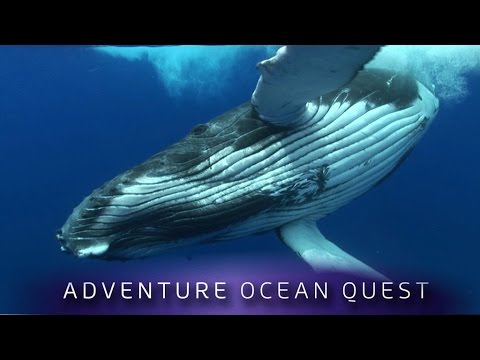
► Adventure Ocean Quest (Full Film)
1:30:21
Free Documentary
► Adventure Ocean Quest (Full Film)
As much as 71% of Earth’s surface is covered by water, representing one of the last great frontiers on this planet. We literally have only scratched the surface of what lies beneath the waves. And even of the species we have found, we know relatively little. Perhaps the greatest challenge we face in exploring the oceans is to get close enough to marine life to observe undisturbed natural behaviour. This could allow newinsights into life in the oceans, but it is a tall order given the noise disturbance and clouds of bubbles emitted by most diving equipment. So some scientists have now turned to freediver Frederic Buyle: they want to exploit his noiseless and calm method of diving to approach even shy animals and find explanations to some of the mysteries of marine life. His abilities are remarkable: he can descend to depths exceeding 50 metres and stay there for up to 4 minutes on a single breath. Responding to calls for help from researchers, Frederic has teamed up with the renowned underwater cameraman Christian Petron. Christian’s vast experience includes working on Luc Besson’s cult-film “The Big Blue” and “Atlantis”, but Frederic’s attempts to freedive with predators like great white sharks test even Christian’s impressive skills. In each episode, Frederic and Christian work closely with leading scientists trying to find answers to the mysteries of our oceans. To accomplish their task they also turn to locals who know the waters and their wildlife like the back of their hand. Local knowledge can prove invaluable in this game, perhaps even save his life. Adventure Ocean Quest combines science, nature and adventure in a way that is enthralling and captivating, yet informative. Frederic’s extraordinary abilities and experiences wow the viewer, while his close teamwork with renowned scientists gives unprecedented insights into the secrets of life in the oceans. This series allows the audience a window into the very real challenges of accessing and studying underwater life. It is a stunning aquatic spectacle and a rollercoaster ride of discovery and personal experiences that keeps viewers glued to their seats.
Published Nov 13, 2015
► Adventure Ocean Quest - Fragile Mediterranean (FULL Documentary)
52:09
Free Documentary
► Adventure Ocean Quest - Fragile Mediterranean (FULL Documentary)
The Mediterranean Sea is a world of impressive diversity where ocean sunfish and whales live side by side, and colourful corals provide a home for smaller creatures. But human beings have left their mark here for thousands of years: ancient shipwrecks and fighter planes from the Second World War litter the ocean floor, while until recently raw sewage was fed straight into the sea. The impact has been devastating – today the Mediterranean is an ecosystem on the edge. But there is a glimmer of hope as measures to protect the sea from pollution and excessive disturbance are being put into place. Sandrine Ruiton from the University of Marseille specialises in research on artificial reefs to build up the lost marine biodiversity near cities like Marseille, one of the Mediterranean’s busiest ports. Until recently it was responsible for seriously polluting the surrounding Mediterranean Sea. Christian Petron himself has been instrumental in raising awareness of this ecosystem in dire straights. His own 30-year-old archive footage shows the extent of the pollution in graphic detail. Both Sandrine Ruiton and Christian are involved in the hugely successful ‘Prado Reef 2006’ project, which is designed to repopulate the local waters by encouraging the colonisation of new reefs. Even old shipwrecks and fighter planes turned into artificial reefs and first indications offer grounds for cautious optimism. But to be able to accurately assess the success of these artificial reefs, detailed population counts are absolutely essential. But their accuracy is questionable when carried out by divers with conventional equipment – reef creatures are notoriously shy and many are likely to hide at the approach of a noisy diver. So Sandrine Ruiton wants to find out if Frederic can achieve more accurate population counts on these fragile reefs by being less intrusive. His ability to move and behave almost like a fish without any cumbersome diving equipment allows him closer access without frightening the wildlife off. His first destination is the wreck of an freighter, sunk after world-war 2, closely followed and observed by Christian Petron. The collection of creatures found here are delicate and extremely cautious. But this dive also poses real challenges for Fred: diving in a wreck brings particular dangers with it, especially for a freediver. Nevertheless, he is determined to press on with his attempt to evaluate the state of Mediterranean marine wildlife. The artificial reef population surveys are only part of the reason why Frederic has come to the Mediterranean. He also works together with Dr. Pierre Chevaldonne, a scientist at the ‘Station Marine D’Endoume/Marseille’. Both are interested in an underwater cave that could be invaluable to modern science. Organisms and animals that are usually associated with much deeper waters thrive in this deep dark cave. In particular a collection of sponges could be of interest, not just because they provide an endless supply of biomarkers that are very sensitive to environmental changes: they are also highly relevant for modern medicine. Sponges are known to provide AZT (Azido-Thymidin) – currently one of the most used medications for the treatment of AIDS and in the fight against cancer. The sponges generate these substances as dangerous chemical weapons against predators or as a defence against harmful bacteria. The research team is renowned for their work on sponges, but the breathing bubbles emitted by conventional drivers would collect at the cave ceiling and gradually kill the cave dwellers. But Frederic’s approach is very different. By holding his breath, he can ensure that the sponges and other cave organisms are not threatened. He is able to explore the cave in detail and report his findings and bring samples back to the research group. This research can provide ground-breaking insights into modern medicine, as well as giving an indication of the health of the Mediterranean waters by examining the sponges’ biomarkers. Together, Frederic’s involvement in the artificial reef projects as well as the underwater cave exploration are extremely valuable contributions to the quest to document and protect the diversity of Mediterranean marine wildlife. He is in a unique position to access and approach the wildlife, that cannot be replicated by using conventional diving methods, and as such is an incredible opportunity for the scientists to gain a new window to the underwater life of the Mediterranean.
Published Nov 13, 2015
► Adventure Ocean Quest - 24 Hours on the Reef (FULL Documentary)
52:14
Free Documentary
► Adventure Ocean Quest - 24 Hours on the Reef (FULL Documentary)
Fakarava Atoll is a true underwater paradise that stuns with its sheer diversity of marine life and particularly high populations of manta rays, grey reef sharks and sea turtles. It is one of the only places where big marine animals are found in such dense numbers. Its diversity and richness of wildlife is so unique that Fakarava is now a UNESCO Biosphere Reserve. But the survival chances of these colourful coral reefs are looking very bleak. They may be the biggest living structures on Earth, but they are dying 4 times more quickly than tropical rainforests. Three quarters of all coral reefs are under threat, and all of them could disappear within the next 50 – 100 years. Prof. Serge Plane from the French research center on Moorea “Criobe” is trying to piece together the interrelationships of coral reef dwellers in order to better understand why they are so sensitive to environmental change, and how they could be protected in the future. This ecosystem is so fragile and sensitive to change that once one link in a coral reef’s chain of life has been removed, it can have dire consequences for the entire reef. Working out how this chain works, and what makes this ecosystem so unique is instrumental to the quest of preserving it. Prof. Serge Plane has specialised in a very particular aspect of relationships amongst reef organisms: communication. He wants to find out how the animals communicate and how this serves their quest to survive. He has already accumulated a wealth of underwater recordings of sounds in a coral reef. But his normal approach requires him to place hydrophones in strategic static positions across the reef. It is an inefficient, limiting and labour-intensive approach. Frederic is able to increase the efficiency and success of Prof Serge Plane by approaching animals directly and respond to their behaviours. The scientist’s current recordings do not follow animals during different behaviours, so being able to selectively record behaviours could be an eye-opener for this type of research. As a noiseless freediver, Frederic is able to trigger certain behaviours and associated sounds by being in the water with the animals without influencing them with cumbersome diving equipment. For example, he is able to record alarm sounds by giving sudden chase to specific fish. So far, it has not been possible for Prof Serge Plane to record behaviour as specific as this because conventional diving gear makes too much noise. The team dives at every time of day and night at a specific spot on the atoll to observe different species during their own activity cycles, and to see how life on the atoll transforms at different times. But again, Christian and Frederic have to remain cautious and plan their expedition meticulously. Again, they make the most of local knowledge to prepare themselves for the task in hand. Polynesian mythology is full of marine life – it plays a very important role in local culture. Manta rays, for example, stand for freedom, while sea turtles personify wisdom and long life. Frederic and Christian meet Maitata, a pearldiver from this island. Few people could tell the team more about the local wildlife from the point of view of Polynesian peoples. Once again, the stories this experienced local man has to offer help Christian and Frederic to build a better and more accurate picture of what lurks beneath the waves in this area. Over their time working, Frederic and Christian repeat their dives on the atoll at different times of day and night. The night-dives can be a bizarre experience with an edge of the otherworldly about it. And the sharply reduced visibility does make these excursions particularly dangerous for Frederic – it would be all too easy to loose orientation and as a result risk his life. The combination of their observations of the reef at different times of day and night and the recordings of reef sounds prove invaluable to Prof. Serge Planes research. And as he builds up his database of recordings, the interrelationships of coral reef organisms becomes clearer. Frederic and Christian’ observations have allowed fascinating insights into the complex web of connections of this finely tuned ecosystem. Ultimately, it may be this kind of research that could help to preserve the world’s coral reefs well into the future.
Published Nov 13, 2015
Ocean Stories 3 - Dolphins and Whales | Free Documentary
48:31
Free Documentary
Ocean Stories 3 - Dolphins and Whales | Free Documentary
Ocean Stories 3 - Dolphins and Whales | Ocean Documentary Ute Margreff lives on Ireland’s Atlantic coast, Florian Graner in the Puget Sound in the Northwest of the USA. Both Germans share a deep passion for the sea and its creatures. About 10 years ago Ute Margreff got to know the female solitary dolphin Mara – it was the start of an unusual friendship. Florian Graner found its private paradise close to Seattle. Right in front of his doorstep he dives into a world inhabited by sea lions, giant octopus and orca whales. Both Ute and Florian fight for the protection of marine habitats, each one in a different and very unique way. ▬▬▬▬▬▬▬▬▬ Subscribe Free Documentary Channel for free: https://bit.ly/2YJ4XzQ Join the club and become a Free Documentary Patron: https://www.patreon.com/freedocumentary Facebook: https://bit.ly/2QfRxbG Twitter: https://bit.ly/2QlwRiI ▬▬▬▬▬▬▬▬▬ #FreeDocumentary #Documentary #OceanStories ▬▬▬▬▬▬▬▬▬ Free Documentary is dedicated to bringing high-class documentaries to you on YouTube for free. With the latest camera equipment used by well-known filmmakers working for famous production studios. You will see fascinating shots from the deep seas and up in the air, capturing great stories and pictures from everything our beautiful and interesting planet has to offer. Enjoy stories about nature, wildlife, culture, people, history and more to come.
Published Nov 13, 2015
► Adventure Ocean Quest - The White Sharks of Guadalupe (FULL Documentary)
52:13
Free Documentary
► Adventure Ocean Quest - The White Sharks of Guadalupe (FULL Documentary)
The White Sharks of Guadalupe: Up to 7 metres of muscle and teeth, packed into an agile and streamlined body that can weigh in at 2250kg – this is the great white shark, one of the most infamous hunters on Earth. But the reality is that these sharks may disappear from our oceans altogether within the next 20 years. Their terrifying reputation is part myth, part reality, rooted in their instinct to hunt and kill whatever looks like a good prey animal … and that can include human beings. But how far is their killer-reputation justified? Are great white sharks really the blood-thirsty loners we imagine them to be? Dr. Mauricio Hoyos is a scientist working on the behaviour and ecology of sharks. He wants to find out why they follow certain patterns of movements, including longdistance travels. The usual methods of getting close to great whites to study them closely and form impressions of their population cross-section include caged dives and diving with airtanks. But these techniques are now known to affect the sharks’ behaviour: the predators’ extraordinary electrical sensory systems react to the galvanic properties of metal. In addition, the sharks are often lured closer with bloody bait, a technique that undoubtedly increases the animals’ aggression and prey drive, which makes them uncomfortably dangerous diving partners. Furthermore, caged dives entirely rely on the animals coming to the researchers in order to take detailed notes on each individual, but the success of this depends on the sharks’ mood and willingness to approach the cage. Frederic is able to approach the animals and is treated entirely differently by them compared to conventional divers. His very basic equipment means that there is less chance of it interfering with the sharks’ normal and natural behaviour, which allows him to get close to them without triggering aggression. He dives with the sharks without a cage, without any form of protection – just Frederic and two other freedivers versus the predators in the water. They watch each other’s backs, because the sharks are known to attack mostly from behind. But freediving is the very thing that makes Frederic’s diving encounter with the great whites a safer experience. Frederic is likely to get much closer to the sharks than is normally possible, and in this way is able to assess the animals in more detail. Frederic’s assignment also includes an assessment of the sharks’ behaviour. This is also extremely difficult under normal conditions, when diving equipment interferes with the sharks’ behaviour. As such very little is known about the great whites’ detailed behaviour, and Frederic’s dives with them is an unprecedented window into their lives. Since Christian is there to document Frederic’s finding, the scientist is able to try to assess and interpret the behaviour witnessed by the freedivers. Since Great Whites have such a fearsome reputation, Frederic’s interactions with them in the water in itself provide the researchers with interesting insights into their interactions with humans. How and why does their behaviour differ towards a diver with conventional equipment compared to a freediver like Frederic and his two friends: This is an experiment that has never been documented before. To gain more insights into approaching fierce predators like the great white shark, Christian and Frederic have to be extremely well prepared. One thing is certain: with a predator like this, nothing can be left to chance. It is their success as a predator and their huge potential to inflict hideous damage that has made it so difficult to study them in detail and to assess their behaviour adequately from close quarters.
Published Nov 13, 2015
► Adventure Ocean Quest - Shark Paradise of Polynesia (FULL Documentary)
52:05
Free Documentary
► Adventure Ocean Quest - Shark Paradise of Polynesia (FULL Documentary)
The waters off the Rangiroa Atoll in French Polynesia are home to an astonishing creature, a true survivor from an age when dinosaurs roamed the Earth around 400 million years ago: the great hammerhead shark. At up to 6 metres in length, they are imposing predators with an array of incredible sensory organs housed in their distinctive hammer-shaped heads. But there are still many unanswered questions about these mysterious creatures. Marine biologist Dr Johan Mourier of the University of Perpignan is dedicated to exploring the behaviour and genetic make-up of great hammerhead sharks to help preserve this endangered species in the wild. In the last 25 years alone, their world population has shrunk by about 80%. Yet very little is known about them. Dr Mourier wants to get to the bottom of the sharks’ migratory patterns, as well as their social behaviour. By tagging individual sharks with GPS locators, he hopes to establish where the animals go, what their migration routes are and where they are most threatened. It is becoming increasingly clear that sharks tend to move very quickly and deliberately between different fishing grounds. Is this also true for the Great Hammerheads? Are changes in these traditional fishing grounds threatening the hammerheads’ survival? The extreme shyness of these mighty predators makes them difficult research subjects. To make matters worse, great hammerheads are loners, unlike their common hammerhead cousins. And since tagging is usually done by using airtanks, it is very difficult to approach these shy individuals. This is where Frederic’s silent and calm approach underwater makes all the difference: Dr Mourier is working together with Fred to get closer to the animals than ever before. This gives him not only the chance to study their behaviour up close, he is even able to select individuals for tagging to reflect a cross-section of the population. The researchers are able to track the tagged sharks and plot their migratory patterns for the very first time. For Frederic, this undertaking is not only exciting, it is seriously dangerous and requires months of preparation and training. Approaching a predator like this one in open water is not for the faint-hearted, especially since it is thought that sharks are able to ‘feel fear’ and respond to it aggressively. On Frederic and Christian’s arrival in Papete, the capital of French Polynesia, Dr Mourier diligently highlights the risks and pitfalls of trying to dive with great hammerhead sharks: they are powerful predators, not to be underestimated. Frederic and Christian have their work cut out. They have to plan each dive meticulously – not least how Christian and his diving equipment can stay close enough to Frederic to document his findings without disturbing the sharks. Minimising potential risks is also top of their agenda. Test dives perfect their technique and illustrate just how abundant and stunning the local marine life is. They come across many shark species: Silvertips, oceanic white tips, grey reef sharks, lemmon sharks and many others. Dr. Mourir shows and explains their nursery: bays with hundreds of baby sharks. No matter which shark species Frederic wants to approach, he cannot afford to panic. He must remain calm and in control – instinctive reactions like sudden, hecticmovements could be detrimental. Loose control, and it could cost him his life. The tagging and sampling process in itself is even more dangerous than the initial approach: Frederic has to use a harpoon to dart the sharks from their immediate vicinity. The tagging could be interpreted as a threat and prompt an attack. But luck is on their side. After many days Fred finally can set the tags near the dorsal fin of two great hammerheads. This is the crucial moment Dr Mourier has been waiting for: the tags will give him a unique chance to track the sharks’ movements. A huge success for Frederic, Christian and the research team. The insights gained into the great hammerheads migration patterns and their genetic make-up will combine to paint a much more accurate picture of these elusive predators’ lives. For science today, this undertaking is truly uncharted territory.
Published Nov 13, 2015
► Adventure Ocean Quest - The Giants of Rurutu (FULL Documentary)
52:01
Free Documentary
► Adventure Ocean Quest - The Giants of Rurutu (FULL Documentary)
Humpback whales are amongst the biggest known mammals on Earth, weighing in at around 36.000kg, but by the early 1960s, after 34 million years on this planet, these gentle, majestic giants had been hunted almost to extinction. With their populations now in partial recovery, it is once again possible to find humpback whales around Rurutu in Polynesian waters. They congregate here between July and November to give birth to a new generation, and to mate. The newborns are prepared for a life of migration, covering thousands of kilometres every single year. Dr Michael Poole, Director of the Marine Mammal Research Program at Moorea in French Polynesia and Dr. Cecile Gaspar are trying to establish a comprehensive photographic cataloguing system of the whales that should enable close monitoring of this fragile population. Until now, the identification of individuals has been restricted to working from above water and identifying the whales according to the markings on their tail fins. Identifying whales from the water surface is extremely limiting: not only is it reliant on the whales lifting their fins clearly visible out of the water, but it also only supplies partial information. Skin patterns on heads and undersides, as well as the whales’ sex, age and behaviour can only be recorded below the water surface. A ban on scuba-diving is partly responsible for the current researchers’ approach, as well as the fact that the whales can be highly intolerant of divers in the water. Frederic’s fotos and recordings of individual whales’ behaviour and physical characteristics allow Dr Cecile Gaspar to form a more accurate assessment of the humpback whale population around Rurutu, their movements and interactions. How big is it, and do individuals return every season or is there a change in the population’s make-up from one year to the next? The overriding question is if the whales in this area are particularly threatened as a result of being an isolated population, or if they are able to recover from the loss of individuals when new whales join their groups. Finding answers to these questions would have a ground-breaking impact on the way these whales are protected from over-exploitation by humans. Dr Poole calls Fred to Moorea island to see if the whales behave differently around a freediver like Frederic, who dives without the aid of oxygen tanks or rebreathers and moves like a fish. These whales are so shy, that Dr Poole expects their behaviour not to change noticeably around a noiselss diver like Frederic – they won’t see him as an unwanted intruder. To gain the whales’ trust and be able to approach them intimately, Frederic has to stay with them underwater for as long as possible in depths of up to 50 metres. This takes an incredible amount of skill and stamina even for an extremely experienced freediver like Frederic, not to mention the risk of staying underwater at such depth for long periods of time. Christian has to follow him with added sensitivity, both to avoid spooking the whales, and to follow Frederic’s lead at all times. But before they can dive, the team has to find some humpback whales in the first place … which can be extremely difficult. Local fishermen are a very important help for the researchers: they keep a lookout for humpback whales during their outings and report their findings to Fred, Christian and the team. They also add to the palette of information gained by the scientists’ observations by adding their own accounts of whale encounters. It is likely that the whales will tolerate Frederic in their midst, allowing him to succeed where a conventional diver would most likely have failed. Frederic’s aim is to approach the whales up to arm’s length, take extreme close-up images for the researchers’ whale catalogue, and take notes on their behaviours. But the strains of the long, deep dives take their toll – they are extremely exhausting and therefore dangerous. Christian and Dr Poole have to be careful and ensure that Frederic isn’t pushing himself too hard. The freediver is not one for giving up, but as impressive as this determination to succeed is, it can also be deadly. Equiped with a hydrophone Frederic records the whales’ communications. This adds a further facet to the whale catalogue the researchers are piecing together, and provide a further insight into individual whales behaviour and identity. Remarkably, the whales don’t have vocal cords and produce the songs by forcing air through their massive nasal cavities. Not only that - there is evidence that their communications reach phenomenal distances of several hundred miles. Frederic’s involvement in Dr. Poole’s and Dr. Gaspar´s humpback whale research project, and Christian’s ability to record Frederic’s work underwater, finally allow a thorough assessment of the humpback whale population around Rurutu and give a vital indication of just how healthy and robust this population is.
Published Nov 13, 2015
Most Dangerous Ways To School | MEXICO | Free Documentary
48:00
Free Documentary
Most Dangerous Ways To School | MEXICO | Free Documentary
Most Dangerous Ways To School | MEXICO | Free Documentary Every Monday, little Lorenzo struggles alone as he makes his way over slippery scree and past steep canyons. And all this just so he can go to school and receive something to eat there. The 6-year-old lives in northwest Mexico in the extensive Sierra Madre Occidental. This is the home of his people, the Rarámuri. These indigenous peoples live well-hidden in the mountains and have hardly any contact with the outside world. Their daily lives revolve around agriculture and livestock; poverty is a big issue for the Rarámuri. To escape this fate, Lorenzo must literally overcome more than 1000 metres altitude. One small lapse of concentration, one careless step and Lorenzo could fall off the edge. At school, Teresa, Angela and Philomena sit next to him. These sisters, aged 6, 8 and 9, can see the school from their home, which sits on a plateau opposite. But to get there requires a journey of many hours, which takes them over narrow and rocky paths, onto sharp rock edges, across a stream, and - just before they reach their destination - forces them to climb again steeply uphill over smooth rocks on all fours. If it is raining, this journey becomes an almost impossible one: the stream is transformed within minutes into a torrent, and the rocks are suddenly as slippery as an ice rink. These children undertake their journey to school all by themselves. For up to four hours, they march through one of the most beautiful but also one of the most dangerous Mexican landscapes. Throughout this journey they all have only one goal in mind: to ultimately find a job in a city and lead a better life.
Published Sep 22, 2015